Moral Tree Information
Images of Moral:
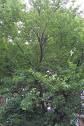
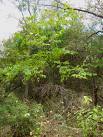
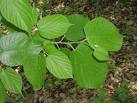
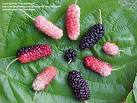
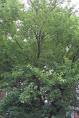
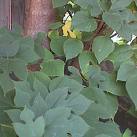
Moral grows in the following 33 states and provinces:
Alabama, Arkansas, Connecticut, Delaware, Florida, Georgia, Illinois, Indiana, Iowa, Kansas, Kentucky, Louisiana, Maryland, Massachusetts, Michigan, Minnesota, Mississippi, Missouri, Nebraska, New Jersey, New York, North Carolina, Ohio, Oklahoma, Pennsylvania, Rhode Island, South Carolina, Tennessee, Texas, Vermont, Virginia, West Virginia, WisconsinInformation about Moral:
The Morus Rubra is commonly known as the Moral, Mulberry as well as Red Mulberry.
The currently accepted scientific name for red mulberry is Morus rubra L. . A geographic strain known as the Lampasas mulberry occurs in Texas . Accepted varieties include the following: Morus rubra var. rubra Morus rubra var. tomentosa (Raf) Bur. (woolly red mulberry) . Red mulberry hybridizes with white mulberry (M. alba), an exotic species which has naturalized in the eastern United States .The native range of red mulberry extends from Massachussetts and southern Vermont west through the southern half of New York to extreme southwestern Ontario, southern Michigan, central Wisconsin and southeastern Minnesota; south to Iowa, southeastern Nebraska, central Kansas, western Oklahoma, and central Texas; and east to southern Florida .Red mulberry usually occurs as scattered individuals in floodplain or cove forests, where it is often an understory tree . The most common tree associates of red mulberry not previously mentioned include American sycamore (Platanus occidentalis) and in southern part of its range, silver maple (Acer saccharinum). In the northern areas associates include boxelder (A. negundo) and white ash (Fraxinus americana) . Associated understory species include roughleaf dogwood (Cornus drummondii), flowering dogwood (C. florida), swamp-privet (Forestiera acuminata), Nuttall oak (Quercus nuttallii), hawthorn (Crataegus spp.), and possumhaw (Ilex decidua). Associated herbs include pokeweed (Phytolacca americana), stinging nettle (Urtica dioica), eastern poison-ivy (Toxicodendron radicans), and greenbriers (Smilax spp.) .Some of the information provided here is attributed to:Sullivan, Janet. 1993. Morus rubra. In: Fire Effects Information System, [Online]. U.S. Department of Agriculture, Forest Service, Rocky Mountain Research Station, Fire Sciences Laboratory (Producer). , available at the USDA Fire Effects Information System (FEIS) website